
Understanding Gambling Addiction
Gambling addiction is a behavioral disorder that can have devastating effects on individuals and their families. It is characterized by an uncontrollable urge to gamble despite the negative consequences that may arise. Many individuals believe they can control their gambling habits, but the reality is that addiction can quickly escalate, leading to severe financial, emotional, and social issues. Understanding this addiction is crucial for early recognition and intervention.
The symptoms of gambling addiction can be subtle at first, often manifesting as a mere hobby or source of entertainment. However, as the addiction develops, individuals may find themselves increasingly preoccupied with gambling. They often experience cravings similar to those associated with substance abuse, making it difficult to resist the urge to gamble, even when they are aware of the potential harm. Recognizing these early warning signs can make a significant difference in someone’s life.
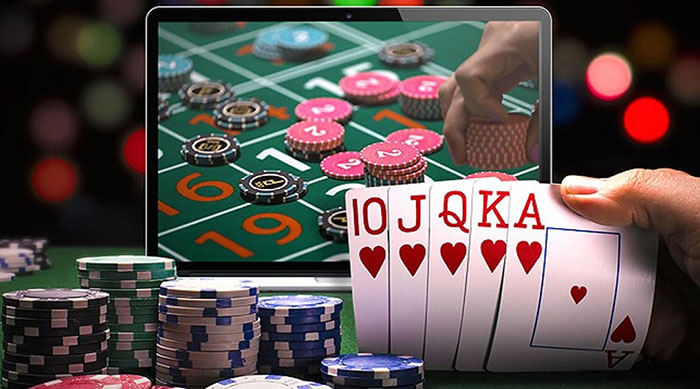
Additionally, gambling addiction is not confined to specific demographics. It can affect anyone regardless of age, gender, or socioeconomic status. Research indicates that certain risk factors, such as a family history of addiction or mental health disorders, can make individuals more susceptible. By fostering an understanding of these contributing factors, we can better equip ourselves to identify and address gambling addiction effectively.
Identifying the Signs of Gambling Addiction
Recognizing the signs of gambling addiction is essential for timely intervention. One of the most common indicators is an increasing preoccupation with gambling. Individuals may find themselves thinking about gambling during work or social activities, often feeling restless or irritable when not gambling. This obsession can lead to neglecting personal responsibilities, including relationships, employment, and self-care.
Another significant sign is the tendency to gamble more money than intended. Those struggling with addiction often escalate their betting amounts in an attempt to recoup losses or enhance the thrill of winning. This cycle can create a dangerous financial situation, leading to borrowing money, accumulating debt, or engaging in illegal activities to fund gambling habits. Understanding these behaviors can help friends and family members provide necessary support.
Emotional changes are also prevalent among those battling gambling addiction. Individuals may experience feelings of guilt, anxiety, or depression as a result of their gambling behaviors. They may try to conceal their gambling from loved ones, leading to a breakdown in communication and trust. Recognizing these emotional and relational signs can be vital for early intervention, allowing friends or family members to step in before the situation becomes dire.
The Impact of Gambling Addiction on Relationships
The effects of gambling addiction extend beyond the individual and can significantly impact family and social relationships. Partners and family members often experience feelings of betrayal, anger, and confusion as a loved one continues to gamble despite the consequences. Financial strain from gambling can lead to disputes, strained communication, and a breakdown of trust, which are critical components of healthy relationships.
Moreover, children in families affected by gambling addiction may face unique challenges, including emotional distress, neglect, or instability. They may suffer from anxiety or depression, which can hinder their development and affect their academic performance. Understanding these ramifications is essential for creating a supportive environment that fosters recovery and healing for all family members.
In some cases, friends may also distance themselves from individuals struggling with gambling addiction, fearing the impact of their behavior on their own lives. This isolation can exacerbate the addiction, trapping the individual in a cycle of despair and loneliness. Recognizing the relational aspects of gambling addiction allows us to offer support not just to the individual, but also to their loved ones, fostering a comprehensive approach to recovery.
Seeking Help and Support
Seeking help for gambling addiction is a critical step towards recovery. Various treatment options are available, including counseling, support groups, and rehabilitation programs. Professional therapy can provide individuals with tools to manage their addiction, including coping strategies and behavioral therapies that address underlying emotional issues. Support from trained professionals can make a significant difference in the recovery process.
Support groups like Gamblers Anonymous offer a platform for individuals to share experiences and gain encouragement from those who understand their struggles. These groups emphasize the importance of community and provide a safe space for open discussion, allowing individuals to feel less isolated in their battles against addiction. Participation in support groups can also reinforce commitment to recovery.
Family involvement is another critical component of the recovery process. Educating family members about gambling addiction can foster understanding and empathy, allowing them to provide the necessary support without judgment. Resources such as family therapy can help address the relational strain caused by addiction, offering strategies to rebuild trust and communication among loved ones.
Resources and Support Available
Various resources are available for those struggling with gambling addiction and their families. National and local organizations provide information, support, and treatment options tailored to individual needs. Hotlines and chat services can offer immediate assistance for those in crisis, allowing individuals to connect with trained professionals who understand the complexities of gambling addiction.
Online resources, including educational materials, forums, and virtual support groups, provide anonymity and accessibility for those hesitant to seek help in person. Websites dedicated to gambling addiction can offer tools for self-assessment, tips for managing urges, and links to treatment facilities. These resources play a crucial role in increasing awareness and facilitating recovery.
Additionally, many communities have implemented outreach programs aimed at raising awareness about gambling addiction. These initiatives often include workshops, informational sessions, and local support networks designed to educate the public and reduce the stigma surrounding addiction. By engaging in these community efforts, individuals can help create an environment of understanding and support for those affected by gambling addiction.
Learn More About Support Options
Understanding gambling addiction is vital for awareness and intervention. By recognizing the signs and symptoms, individuals can better support those struggling with this disorder. Numerous resources are available to facilitate recovery, from professional therapy to support groups and community initiatives. Engaging with these resources can empower individuals to take the crucial first steps toward healing.
Our website serves as a dedicated space for those seeking information about gambling addiction. Here, you can find detailed guides, personal testimonials, and links to professional support services. We aim to foster a supportive community for individuals and families affected by gambling addiction, providing the resources needed for recovery and renewal.